
Last month an extraordinary winter storm delivered the heaviest snowfall the Northern Tablelands had seen in more than 40 years, blanketing the region with up to 50cm of snow.
The rare event delighted locals with large, heavy flakes falling for hours and transforming areas into a winter wonderland.
However, when the snow settled and temperatures dropped, the landscape snap-froze with the mass of snow proving too much for many trees and shrubs unaccustomed to the conditions.
For property owners across the affected region, the sound of cracking limbs echoed across the region, intensifying into the late afternoon and evening.
Transport disruptions and widespread power outages followed, with some communities affected for days. The full extent of the damage only became clear in the days after the storm, prompting the NSW State Government to issue a natural disaster declaration.
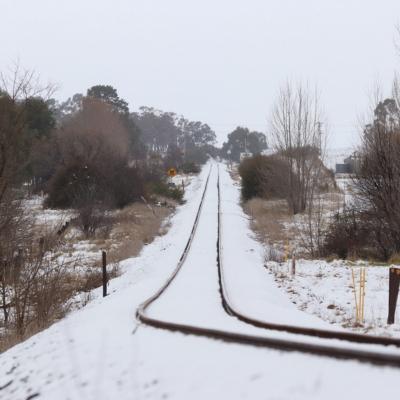
Senior Regional Conservation Officer Caleb Doyle described the impact on conservation areas as significant and widespread.
“We saw frequent sections of boundary fencing down due to excessive tree and limb fall, washed-out management tracks worsened by the already wet conditions and snow melt, and damage to restoration areas where small limbs and stems collapsed under the weight,” Caleb said.
“Wooded and forested ecosystems were hardest hit, with some landholders reporting unforeseen levels of damage from a single storm event.”
Despite the destruction, Caleb highlighted the resilience of native ecosystems and the ecological silver linings.
“Australian plant species are masterful at resprouting and most trees and shrubs will recover from canopy loss in time,” he said.
“While the loss of hollow-bearing trees is a setback for some arboreal mammals and birds, these fallen trees will continue to provide habitat on the ground. Scars left on standing trees may even trigger the next generation of hollows.”
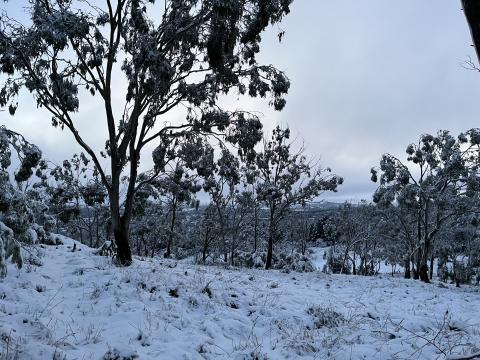
The storm also left behind a rich layer of woody debris, which Caleb said will enhance understory structural complexity and provide shelter for birds and other fauna. Over time, this debris will be broken down by insects and microbes, returning vital nutrients to the soil.
With the vegetation recovery underway, Caleb is encouraging landholders to take advantage of newly created habitat by supporting spring and summer breeding seasons, managing pest species, and monitoring for weed outbreaks triggered by ground disturbance.
“Once fences are secure and tracks restored, it’s a great opportunity to give native fauna a helping hand,” he said.
“And with so much fresh disturbance, it’s a timely reminder to keep an eye out for any new or existing weed species that might emerge.”
Our Northern Inland staff are available to guide landholders with any questions about their management plans. Phone 1300 992 688 or email [email protected].